
I once bought a gorgeous sketchbook. Thick creamy cover, satisfying weight, the kind of thing that makes you feel like a real artist just holding it.
Then I put a pencil to it and the graphite slid around like it was drawing on glass. I couldn’t build a dark value to save my life. Beautiful book, completely wrong for pencil.
That’s the lesson that shaped this whole guide. The best sketchbooks for pencil drawing aren’t the prettiest or the most expensive. They’re the ones whose paper actually grabs graphite, survives an eraser, and lets you build value from a whisper-light H to a deep, velvety B.
Everything else is packaging!
So instead of ranking books by brand prestige, I’ve ranked them by how they behave under a pencil, and sorted them by what you’re actually trying to do.
Prices and exact editions shift by region, so I’ll focus on the paper qualities that matter, which don’t change.
What Makes Paper Good for Pencil (The 4 Things That Matter)
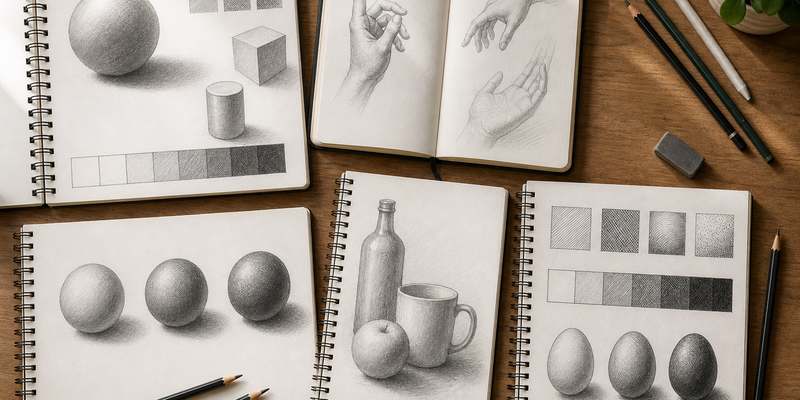
Before any recommendations, here’s the framework the rest of this guide hangs on. Four qualities decide whether paper works for graphite.
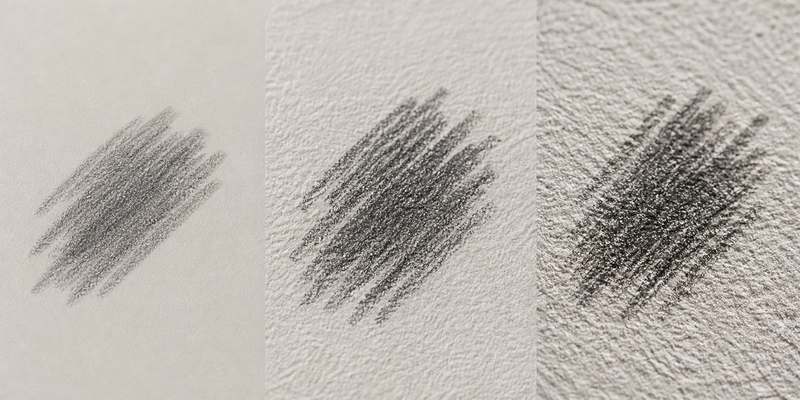
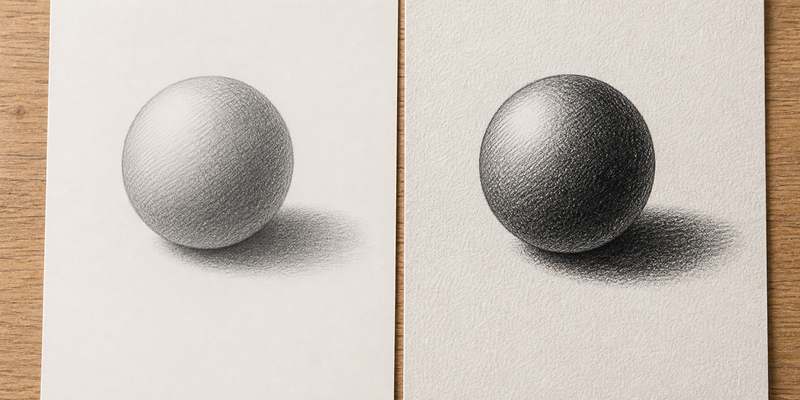
Tooth (surface texture). This is the big one. Graphite needs a slightly textured surface to grab onto. Too smooth and it slides without depositing much, so you can never get a rich dark. Too rough and the texture eats your detail and leaves everything grainy. Medium tooth is the graphite sweet spot: enough grip to build value, fine enough to hold detail.
Weight (measured in lb or gsm). Heavier paper, around 100 lb / 160 gsm or more, takes layering and repeated erasing without tearing, buckling, or ghosting through to the next page. Light sketch paper is fine for quick studies, but for anything you’ll rework, weight matters.
Whiteness or tone. Bright white paper shows your full value range honestly, which helps when you’re learning. Cream or off-white is gentler on the eyes for long sessions and gives drawings a softer feel. Neither is wrong; it’s preference.
Erase-durability. Good drawing paper takes an eraser many times without pilling into little balls or polishing to a shiny patch. Cheap paper gives up after a few passes. Since erasing is half of drawing, this quietly matters a lot.
Pencil vs. Marker Sketchbooks: Don’t Grab the Wrong One
Here’s a mistake I see constantly: someone buys a marker sketchbook for pencil work, or the reverse, and wonders why it feels awful.
Marker paper is deliberately smooth and bleed-resistant so ink glides and doesn’t feather. That same smoothness gives graphite almost nothing to hold onto.
Pencil paper, on the other hand, has tooth and takes erasing, but it would let alcohol marker bleed straight through. They’re built for opposite jobs. So if markers are your medium instead, grab a bleed-proof marker book and ignore everything else here. For graphite, tooth is king.
Best Overall Sketchbook for Graphite
If you want one book that just works for most pencil drawing, look for medium-tooth drawing paper in the 100 lb / 160 gsm range, bright white, in a sewn or sturdy binding.
Something in the vein of Strathmore’s 400 series drawing paper is the classic reference point here: defined tooth that grabs graphite, weight that survives erasing, and a surface that handles the full H-through-B range without complaint.
This is the all-rounder. It’s what I’d hand to almost any pencil artist who asked for a single recommendation. It won’t be the cheapest option on the shelf, and it won’t be the fanciest, but it does the actual job of holding graphite better than either extreme. Buy the paper spec, not the logo.
Best Sketchbook for Beginners on a Budget
If you’re starting out, the most important quality in a sketchbook is that you won’t be afraid to use it. An affordable book with decent tooth beats an expensive one you’re too precious to fill.
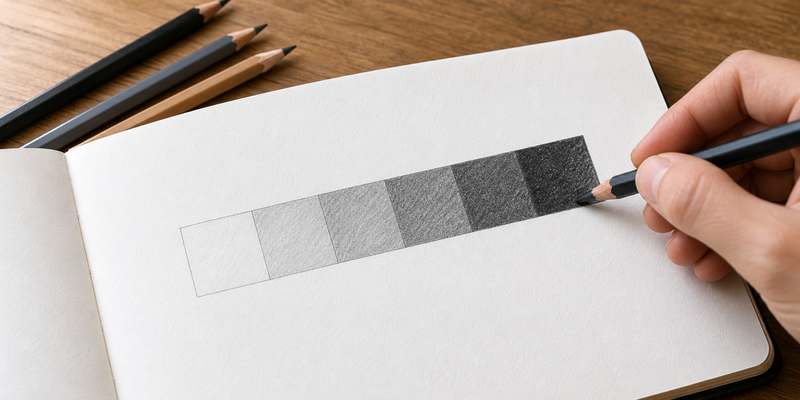
Look for a basic drawing pad or budget sketchbook with a bit of texture and reasonable weight. It doesn’t need to be archival. It needs to let you draw hundreds of bad drawings on the way to good ones without flinching at the cost. That’s the entire point at this stage.
If you’re just starting to sketch, volume of practice matters far more than paper prestige, and cheap paper removes the guilt that stops beginners from filling pages.
Best for Detailed / Layered Graphite Work
When you move into realism, heavy shading, and deep value building, your paper needs change. Now you want heavier weight that takes many layers, and often a slightly finer tooth so fine detail stays crisp.
This is where smoother, heavier surfaces like Bristol smooth earn their place. The fine surface lets you blend gradients seamlessly and render tight detail that a toothier paper would fracture.
The tradeoff is that very smooth paper caps how dark you can go, since there’s less tooth to hold pigment, so it suits controlled, detailed rendering more than loose expressive work.
If your style leans on stacking tone, learning to control that with technique matters as much as paper. My guide on building value with hatching pairs naturally with this kind of layered graphite work.
Best Pocket / Everyday Carry Sketchbook
For drawing on the move, the priorities shift again. You want something small, a durable cover that survives a bag, and paper good enough that quick graphite studies still look decent.
A hardbound pocket sketchbook protects your pages and holds up to being carried everywhere, which is why so many people love them despite the paper often being thinner than a dedicated drawing pad. A softcover is even lighter but offers less protection.
For carry, I’d trade a little paper quality for durability and size, since the best pocket sketchbook is the one you actually have on you when something catches your eye.
Best for Mixed Media (Graphite Plus Light Wash)
If you like to drop a light watercolor or ink wash over your pencil work, pure graphite paper will buckle the moment it gets wet. You need a mixed-media book with heavier weight built to handle a little moisture without warping.
The honest tradeoff is that mixed-media paper is a compromise. Its tooth is a middle ground that isn’t the ideal pure-graphite surface, so your dry pencil work won’t feel quite as good as it would on dedicated drawing paper.
If wet washes are only an occasional thing, keep a dedicated pencil book and a separate mixed-media one rather than forcing one book to do both jobs poorly.
Spiral vs. Hardbound vs. Softcover: Which for Pencil?
Binding changes the drawing experience more than people expect.
- Spiral lies completely flat and folds all the way back, which is lovely for drawing. The downside is that pages can catch, tear at the perforations, or snag in a bag.
- Hardbound feels premium, protects finished work well, and holds together for years. It won’t lie perfectly flat, though, and you sometimes fight the gutter in the center.
- Softcover is the lightest and most portable, at the cost of protection. Great for carry, less great for archiving finished pieces.
For studio pencil work where I rework drawings, I lean spiral for the flat surface. For finished pieces I want to keep, hardbound. There’s no single right answer, just the right one for how you work.
How Much Should You Spend? (Are Expensive Ones Worth It?)
Sketchbooks hit diminishing returns fast. The jump from bad paper to good paper is huge and absolutely worth paying for. The jump from good paper to luxury paper is small and mostly matters for finished, archival work.
For daily practice, a cheap book you’ll fill without hesitation is the smart buy. For pieces you want to last or sell, better paper genuinely shows in the final result.
It’s the same logic as expensive pencils: pay up where it changes the outcome, save where it doesn’t. And since prices swing a lot by country and retailer, judge by paper quality in hand rather than by the number on the sticker.
Common Questions About Sketchbooks for Pencil Drawing
What sketchbook is best for pencil drawing?
One with medium tooth and heavier weight, around 100 lb / 160 gsm or more, so graphite grabs onto the surface and the paper survives repeated erasing. A quality drawing paper beats a smooth marker or luxury sketchbook for graphite.
What paper weight is best for pencil?
Around 100 lb / 160 gsm or heavier is ideal for layering and erasing without tearing or ghosting through. Lighter paper is fine for quick, one-off sketching.
Is smooth or textured paper better for pencil?
Medium texture, called tooth, is best for most graphite work because it grabs pigment for darker values. Very smooth paper suits fine detail and blending; very rough paper eats detail.
Are expensive sketchbooks worth it?
For finished or archival work, better paper clearly shows. For everyday practice, an affordable sketchbook you’ll actually fill is the smarter purchase.
What is tooth in sketchbook paper?
Tooth is the surface texture that grabs graphite. More tooth holds more pigment for darker, richer values; less tooth gives smoother, finer detail but caps how dark you can go.
My Honest Bottom Line
The best sketchbook for pencil drawing is the one whose paper suits your pencil style and that you’ll actually use. That’s it. Not the prettiest cover, not the priciest brand, not the one with the best marketing.
Figure out whether you lean toward expressive value work or fine detail, match your tooth accordingly, get enough weight to survive your eraser, and then draw in it constantly.
If you want a broader checklist before you buy, my guide on what to look for when buying a sketchbook walks through the rest. Then stop shopping and start filling pages.