
I ruined a sweater once. A really good one. I’d been sitting at my desk surrounded by textbooks and art reference sheets, highlighter in one hand, notes in the other, completely absorbed and somehow dragged a bright orange streak right across the front of my favorite gray pullover.
I didn’t notice until I tossed it in the dryer. And that, friends, is how a highlighter stain becomes permanent.
That’s the thing nobody tells you upfront. The stain itself isn’t necessarily the problem. What you do in the first hour or two and whether you throw it in the dryer before treating it that’s what actually decides if your clothes survive.
The good news? Most highlighters are water-based. Which means the ink can absolutely come out of your fabric, if you approach it correctly.
Whether you’re dealing with a fresh streak you just noticed or a dried stain you found three days later, there’s a method here that’ll work for your situation. Let me walk you through all of them and be specific about which fabrics can handle which treatments.
In the following, I’ll discuss several steps of removing the ink stain properly so that your cloth remains as before. So, let’s get started.

First, Know What You’re Dealing With (Fresh vs. Dried Stain)
Not all highlighter stains are created equal. And the single biggest variable isn’t the method you use, it’s how long the stain has been sitting there.
Touch the stained area lightly. If it feels tacky or damp, you caught it fresh. That’s great news!
Dish soap and cold water alone can often lift a fresh stain in minutes. If it feels stiff, slightly crusty, or completely dry, the ink has already bonded with the fibers. You’ll need a solvent.
Most highlighters you’ll encounter like – Stabilo Boss, Sharpie Highlighter, Zebra Mildliner, the no-name ones in multipack sets are water-based. That’s why they’re translucent.
Oil-based highlighters exist but they’re uncommon; if you’re unsure, water-based is a safe assumption for most school and office supplies.
Fabric matters too. Natural fibers like cotton and linen absorb ink faster and deeper than synthetics like polyester. But they also respond better to most cleaning methods.
Delicate fabrics like silk or wool are a different situation entirely, I’ll flag those warnings at each method below.
One more thing: color matters. Yellow highlighter is the easiest to lift. It’s also the most popular, so you’re probably dealing with it.
Pink, orange, and blue contain stronger pigment compounds and may need more than one treatment round. Don’t panic if it doesn’t lift completely on the first try.
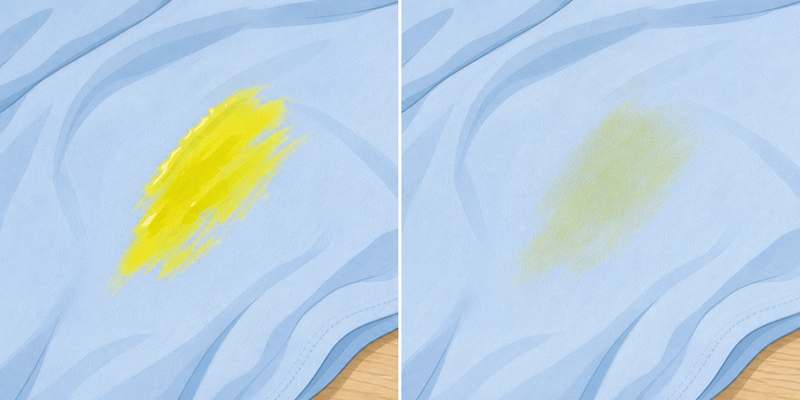
Method 1: Rubbing Alcohol (Best for Dried Stains)
This is the workhorse. When a stain has dried and set into the fibers, rubbing alcohol is usually the most effective option you have at home.
What You Need
Isopropyl alcohol 70% works fine; 90% works a little faster but be gentler when applying. Two clean white cloths or several paper towels. Mild dish soap. Cold water.
White cloths matter here. Colored towels can transfer dye onto your garment while you’re trying to lift ink out of it. Not ideal.
Step-by-Step
Place one cloth flat underneath the stained section of fabric. This catches ink as it transfers through, so you’re not spreading it back into the garment from below.
Apply rubbing alcohol to your second cloth not directly onto the fabric. Pour it on the cloth, then press that cloth onto the stain. Blot. Don’t rub. Rubbing spreads the stain outward; blotting pulls the ink into the cloth.
Work from the outer edge of the stain inward. This keeps the stain from spreading as you work. Replace the cloths as they pick up ink you’ll be surprised how much transfers, especially on the first pass.
After a few rounds of blotting, rinse the area with cold water. Then apply a small drop of dish soap, work it in gently with your fingertip, and rinse again. Repeat the alcohol treatment if any stain remains.
Fabric Safety
Safe for: cotton, denim, polyester, linen, most canvas.
Avoid on: silk, wool, and acetate. Rubbing alcohol dissolves the delicate protein fibers in silk and wool you’ll damage the fabric. And always test on an interior seam first before treating a visible area.
If you’re also dealing with removing permanent marker from fabric, the same alcohol method applies with a few small differences for thicker inks.
Method 2: Dish Soap and Cold Water (Best for Fresh Stains)
If you caught the stain within the last hour, this is where I’d start. It’s the simplest method and the least risky across all fabric types.
Blot the excess ink first if the stain is still wet use a dry cloth and blot, don’t wipe. Then apply one or two drops of dish soap directly to the stain. Work it in very gently with your fingertip or the pad of your thumb in a circular motion, just enough to get the soap into the fibers.
Rinse thoroughly with cold water. Cold, not warm. Not hot. Heat is what sets a stain, so warm water is working against you.
Check if the stain lifted. If it’s mostly gone, repeat once more and then wash the garment normally in cold water. If it’s barely moved, you’re dealing with a dried or heavily pigmented stain move to Method 1 or Method 4.
This works because dish soap is designed to break down water-soluble compounds and surfactants lift the dye molecules away from the fiber. It’s gentle enough for most delicates, including silk and wool just don’t scrub, and don’t use hot water.
Method 3: Hand Sanitizer (The Emergency Fix)
I keep hand sanitizer in my bag constantly. And more than once, I’ve realized mid-class that I’d dragged a highlighter across my sleeve. Hand sanitizer saved those shirts.
Alcohol-based sanitizers containing 60% or more isopropyl alcohol function almost identically to rubbing alcohol for stain removal. The gel consistency actually helps because it stays put on the fabric instead of spreading immediately.
Apply a pea-sized amount directly to the stain. Work it in very gently with a fingertip. Let it sit for two or three minutes, then blot with a clean white cloth. Rinse with cold water.
This works best on fresh to lightly dried stains. Deeply set stains may only partially lift. But for a quick in-the-moment fix when you don’t have rubbing alcohol handy, this is genuinely useful.
Same fabric safety rules as rubbing alcohol apply – avoid silk and wool.
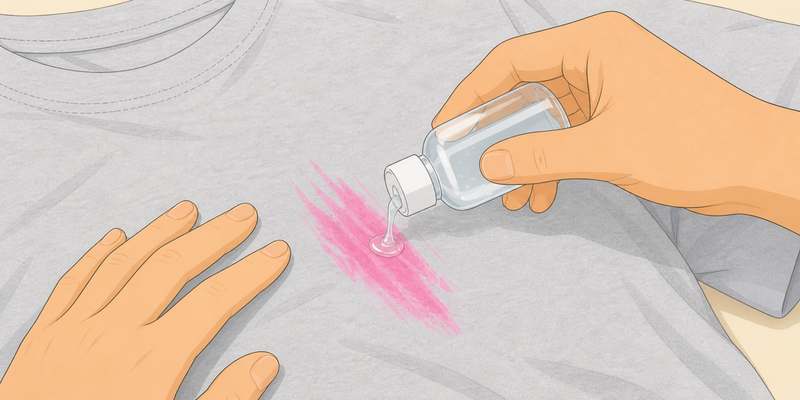
Method 4: White Vinegar and Baking Soda (For Stubborn Stains)
When rubbing alcohol has done partial work but the stain won’t fully lift, or when you’d rather avoid solvents, this combination is worth trying.
Mix one tablespoon of white vinegar with one teaspoon of baking soda. It’ll fizz – that’s normal, it’s just the acid-base reaction. Stir until it forms a paste.
Apply the paste directly to the stain. Let it sit for 15 to 20 minutes. I know some sources say overnight but I’d skip that. Leaving acidic paste on fabric for hours can shift the color on lighter fabrics. Twenty minutes is plenty.
After it sits, use an old toothbrush to scrub gently in small circular motions. This is where you really break up the residual pigment. Rinse with cold water, then wash the garment normally.
The science: vinegar’s acidity disrupts the chemical bonds between ink dye and fabric. The baking soda acts as a fine abrasive to physically dislodge loosened particles. It’s a slower approach than alcohol, but it’s gentler on fabrics that might not tolerate solvents well.
One caution: test on an interior seam first if you’re working on dark or intensely colored fabric. Vinegar is mild, but it can slightly affect some fabric dyes with extended contact.
If you got highlighter on paper during the same session, how to remove highlighter from paper covers that cleanup separately.
Method 5: Hydrogen Peroxide (White Fabrics Only)
I want to put this warning first and make it as clear as I can: 3% hydrogen peroxide will bleach colored fabric. Don’t use this on anything that isn’t white or very light cream-colored. It will leave a lighter patch that’s harder to deal with than the original stain.
For white cotton and linen, though, it’s one of the most effective treatments available especially for pink, orange, or blue highlighter that other methods haven’t fully lifted.
Apply 3% hydrogen peroxide (pharmacy-grade, the brown bottle) directly to the stain. Let it sit for 10 minutes. You might see it bubble slightly on the fabric. Rinse with cold water, then check the stain. If it needs another round, repeat once before washing.
For extra lifting power, you can mix a small amount of dish soap with the hydrogen peroxide before applying the surfactant helps carry the bleaching action deeper into the fiber.
Do NOT use this on polyester, silk, wool, or any fabric with synthetic dye content. Stick to natural, undyed, or white fabrics only.
For reference on hydrogen peroxide concentration safety on textiles, the American Cleaning Institute has guidance on appropriate household chemical use.
Method 6: Commercial Stain Removers (When Home Methods Aren’t Enough)
After two or three rounds with home methods and no result, it’s time to bring in commercial products.
The key is finding an enzyme-based formula. The word “enzyme” on the label means the product contains biological compounds specifically designed to break down stain molecules at the molecular level. Regular detergent doesn’t do this enzyme cleaners do it much more aggressively.
Products worth looking for: Amodex Ink and Stain Remover (this one is my go-to for ink-based stains it’s designed for the job), Carbona Stain Devils, or OxiClean used as a pre-soak. OxiClean in warm water for a 30-minute soak can lift stains that have partially resisted everything else.
Follow the product instructions exactly. Most require five to ten minutes of contact time before rinsing. After treatment, wash in cold water and check before putting anything near the dryer.
These products are generally safe for most fabrics when used as directed, but always read the label for fabric-specific restrictions.
What About the Washing Machine? (Read This Before You Toss It In)
The washing machine is not Step 1. I can’t stress this enough and it’s the mistake I made with my sweater. I tossed the garment in the wash without pre-treating, ran it through a warm cycle, put it in the dryer, and set the stain permanently. That stain never came out.
Always pre-treat first using one of the methods above. The washing machine is Step 2, after pre-treatment.
When you do wash: cold water cycle only, gentle setting, regular detergent.
Before you transfer the garment to the dryer, take it out and check the stain while the fabric is still damp. Still visible? Do not dry it.
Repeat the pre-treatment, wash again, check again. Only put it in the dryer when you can’t see the stain anymore. Once heat sets it, your window for removal is essentially closed.
Air drying after the first wash is the safest option if you’re not 100% confident the stain is gone.
Fabric Quick Reference
Different fabrics need different care. Here’s the short version:
Cotton and linen: Durable and forgiving. Can handle rubbing alcohol, dish soap, vinegar paste, and hydrogen peroxide (white only). These are the easiest fabrics to work with.
Polyester: Start with dish soap and cold water. Rubbing alcohol works but overuse can dull the finish over time. Avoid hydrogen peroxide.
Denim: Tough enough to handle rubbing alcohol and a little scrubbing with the vinegar-baking soda paste. Denim is forgiving.
Silk and wool: Dish soap plus cold water only. No alcohol, no hydrogen peroxide, no harsh chemicals of any kind. Be extremely gentle. If the stain won’t lift with dish soap, take it to a professional cleaner rather than risk damaging the fabric.
Dry-clean only garments: Don’t experiment at home. Blot with cold water to prevent the stain from setting further, then take it to a professional. Tell them exactly what the stain is ink from a water-based highlighter so they can treat it correctly.

Common Questions About Removing Highlighter from Clothes
Does highlighter come out of clothes?
In most cases, yes. Water-based highlighter is not permanent on fabric the way a Sharpie or oil-based marker would be. The key is treating it before heat sets it, and choosing the right method for the fabric and stain age.
What if the stain dried before I noticed?
Rubbing alcohol is your best first move. It may take two or three applications, but it penetrates dried ink bonds better than water-based methods. Be patient and blot repeatedly rather than treating once and giving up.
Will rubbing alcohol damage my clothes?
On cotton, polyester, denim, and linen – no, not with normal use. On silk, wool, or acetate – yes. The alcohol breaks down delicate fibers. Always test on a hidden area before treating a visible stain, regardless of fabric.
Can I use hydrogen peroxide on colored fabric?
No. 3% hydrogen peroxide bleaches color. It’s only safe for white or very light-colored natural fabrics. Using it on anything else will leave a bleach spot that’s permanent.
Why won’t the stain come out no matter what I try?
Heat likely set it. If the garment went through a warm wash or a dryer cycle while the stain was still present, the heat bonded the ink to the fibers.
At that point, enzyme-based commercial stain removers (Amodex, Carbona Stain Devils) are your best remaining option, though results aren’t guaranteed on fully heat-set stains.
Does highlighter color matter?
Yes, it does. Yellow is the most transparent and lifts the easiest. Pink, orange, and blue contain denser pigment compounds and tend to need multiple rounds of treatment. Don’t judge a method as failed after one application when you’re dealing with a bright pink or royal blue highlighter.
One Last Thing Before You Start
If you’ve already made my mistake and the garment went through the dryer, don’t completely give up yet. Enzyme-based cleaners are worth trying even on heat-set stains.
I’ve had partial success with them even after heat exposure. But managing expectations matters – the earlier you treat, the better your odds.
Fresh stain caught today? You’re probably fine with dish soap and cold water. Dried stain you found a week later? Rubbing alcohol, a little patience, two or three rounds. Fabric is delicate and you’re nervous? Dish soap, gentle blotting, no heat.
The real lesson here isn’t any specific method. It’s the habit: check your clothes before the dryer. That one change will save you more grief than any stain remover ever could.
If you’re curious about the best highlighter markers for studying, I’ve reviewed those separately – there’s a real difference between highlighters that bleed through paper and those that stay where you put them, and it matters for both your notes and your clothes.